Two years ago a real website meant a quote, a deposit, and a ten-week wait. Last week I sat down with Claude on a Tuesday afternoon, described a business in plain sentences, and watched a working site take shape next to the chat while the coffee was still warm. Not a sketch. A real page with real sections and a booking button, live enough to click.
That is the good news, and it has a trap folded inside it. If you can build a site in an afternoon, so can everyone else. The building stopped being the hard part, which means it also stopped being the thing that sets you apart. A good-looking site that nobody finds and that never turns a visitor into a customer is worth exactly nothing, and the internet is about to fill up with good-looking sites that nobody finds.
That shift is why I ended up writing six short books this year instead of one long one. Each takes a single piece of the new reality and explains it in plain language, for people who use this stuff to run a business and not to admire the plumbing. No hype, no doom, no forty-dollar words for ten-dollar ideas. Here is what they are and who each one is for.
Why Six Short Books and Not One Fat One#
I could have written one thick volume that tried to cover everything. I have read a few of those and finished none of them. The honest truth about this subject is that it moves too fast for a single doorstop, and most people do not need the whole map at once. They need the one part that is in front of them this month.
So each book is short enough to actually finish on a couple of evenings, and each one stands on its own. Read in order they climb a ladder, from understanding what AI is to getting real customers out of it. Read one at a time they still make sense. I wrote them the way I learned this, as an operator who needed it to work on a Monday morning, not as an engineer who finds the internals fun.
Start by Understanding the Machine#
AI Without Bullshit, Volume 1 is about how AI really works, in plain language. Not the marketing version and not a computer science course. Just a clear picture of what these systems actually are, why they behave the way they do, and where they quietly get things wrong so you stop being surprised by it.
Most explanations you meet are either hype or homework. This one is neither. It is for anyone who uses AI every day and has quietly nodded along in a conversation while having no real idea what half the words meant. You cannot use a tool well while you are secretly a little afraid of it, and this is the book that removes the fear.
Then Learn to Actually Use It#
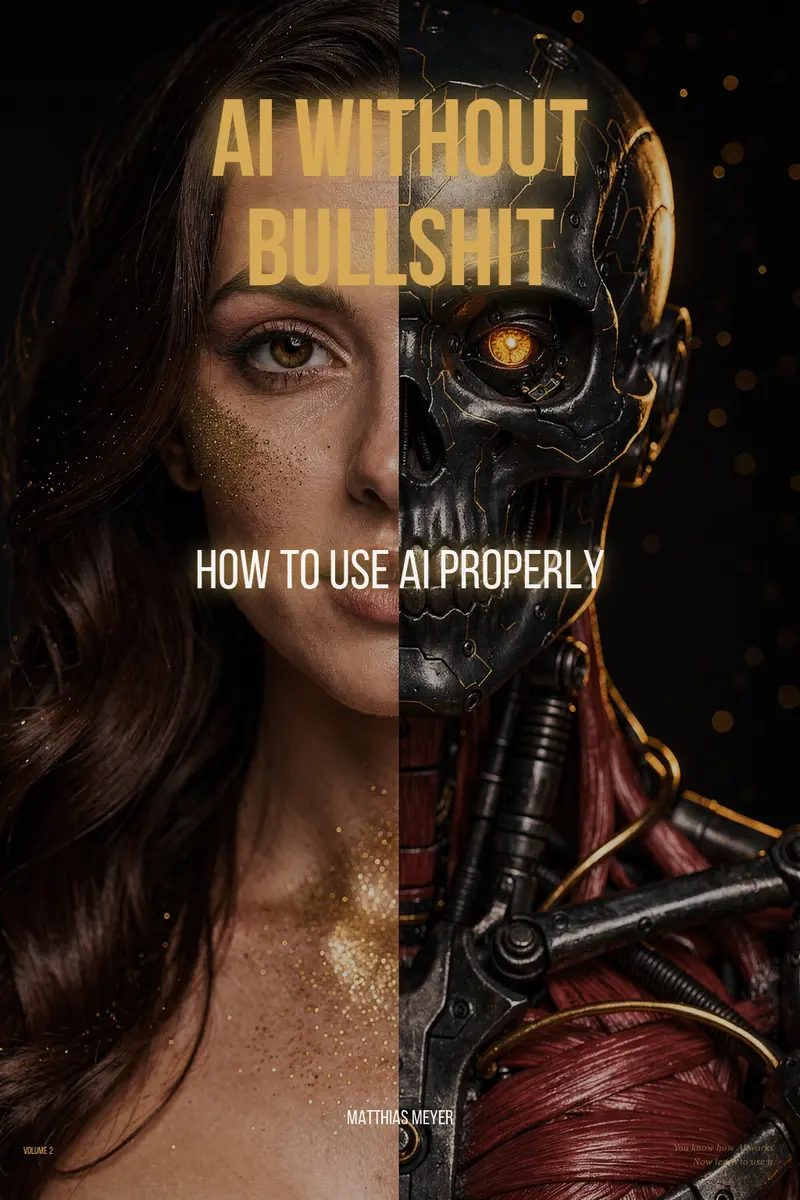
Knowing a tool is powerful is not the same as getting good work out of it. AI Without Bullshit, Volume 2 is the practical follow-up: how to work with AI day to day. Which tasks it genuinely helps with, where it quietly wastes your time, how to ask for things so you get something useful back, and how to stay in control instead of trusting it blindly.
This is the difference between owning a powerful machine and knowing how to drive it. It is for people who are past the novelty phase and want output they can rely on, not a slot machine that sometimes prints gold and sometimes prints nonsense. You do not need Volume 1 first, but the two read well together.
Go Deep on the One Tool You Already Pay For#
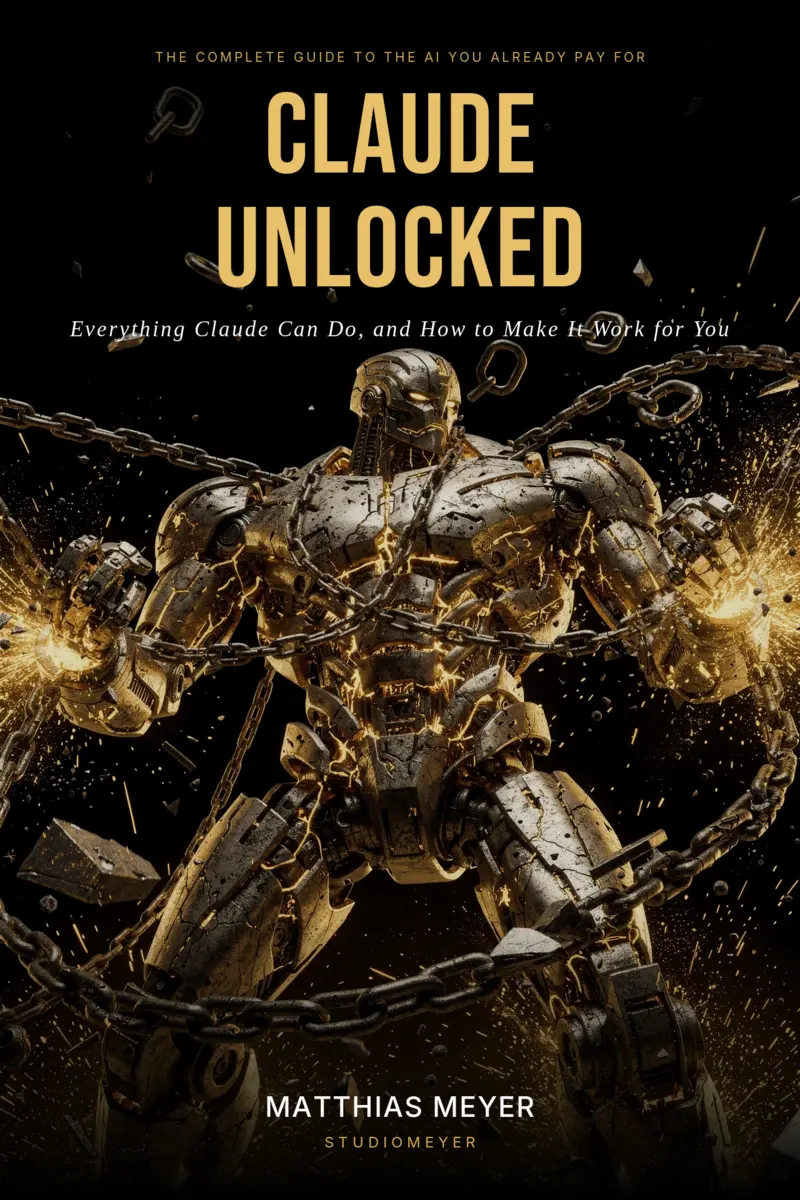
Most people who pay for Claude use maybe a tenth of what it can do, and it is not their fault. Nobody hands you the manual. Claude Unlocked is that manual, in plain language, built out of close to fifteen hundred real working sessions rather than a weekend of theory.
It covers everything the tool can actually do and how to make it work for you, from writing and research to real work with your own files and projects. It is written for normal people, not developers, so each part is something you can put to use the same day. If your subscription mostly sits there answering the odd question, this is the book that turns it into something that earns its keep.
Build a System That Works While You Sleep#
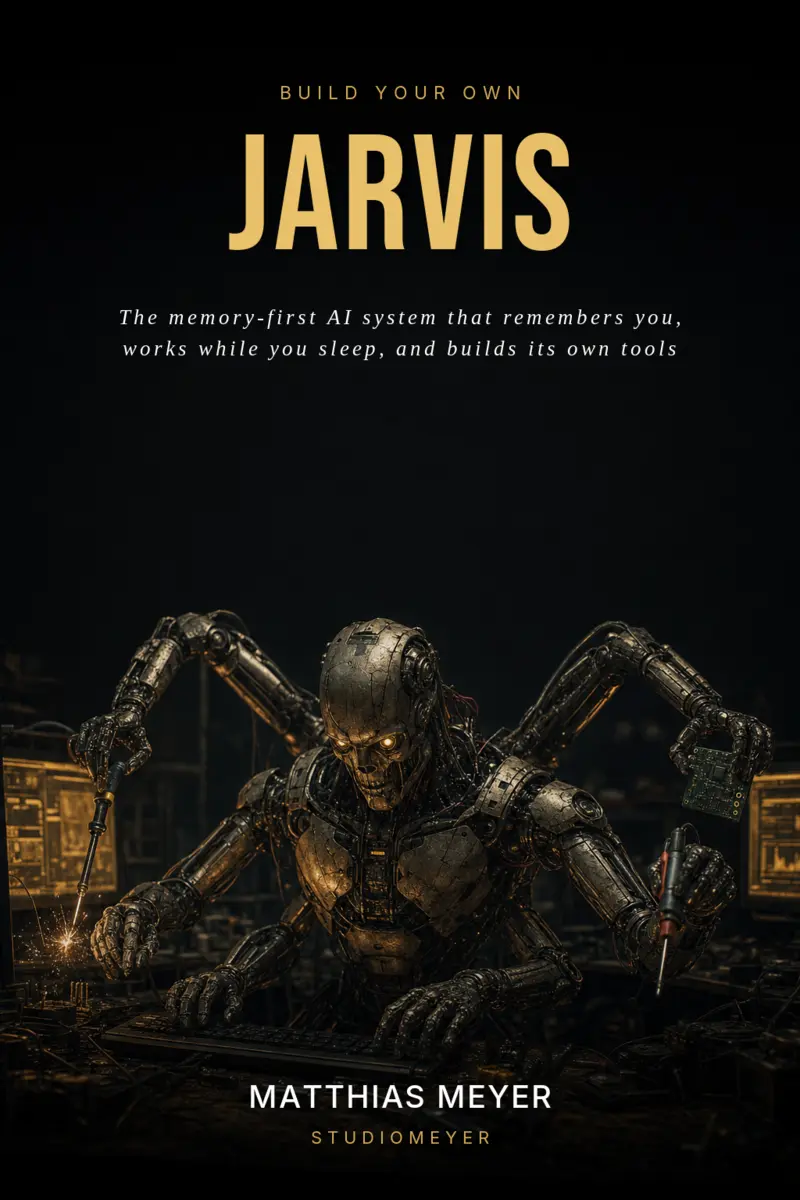
Regular AI forgets you the moment you close the tab. It never gets ahead of you and never does anything on its own. Build Your Own Jarvis is about the other kind: a memory-first system that actually remembers you across sessions, runs tasks overnight, and builds its own small tools as it goes.
It is a step-by-step build written for operators and business owners rather than career programmers, so the path stays practical the whole way through. This is the same kind of setup I run and put into real projects, laid out so you can follow it yourself. If you have felt that an assistant which forgets everything is only ever half an assistant, this is the shift.
Turn It Into a Website That Earns Its Keep#
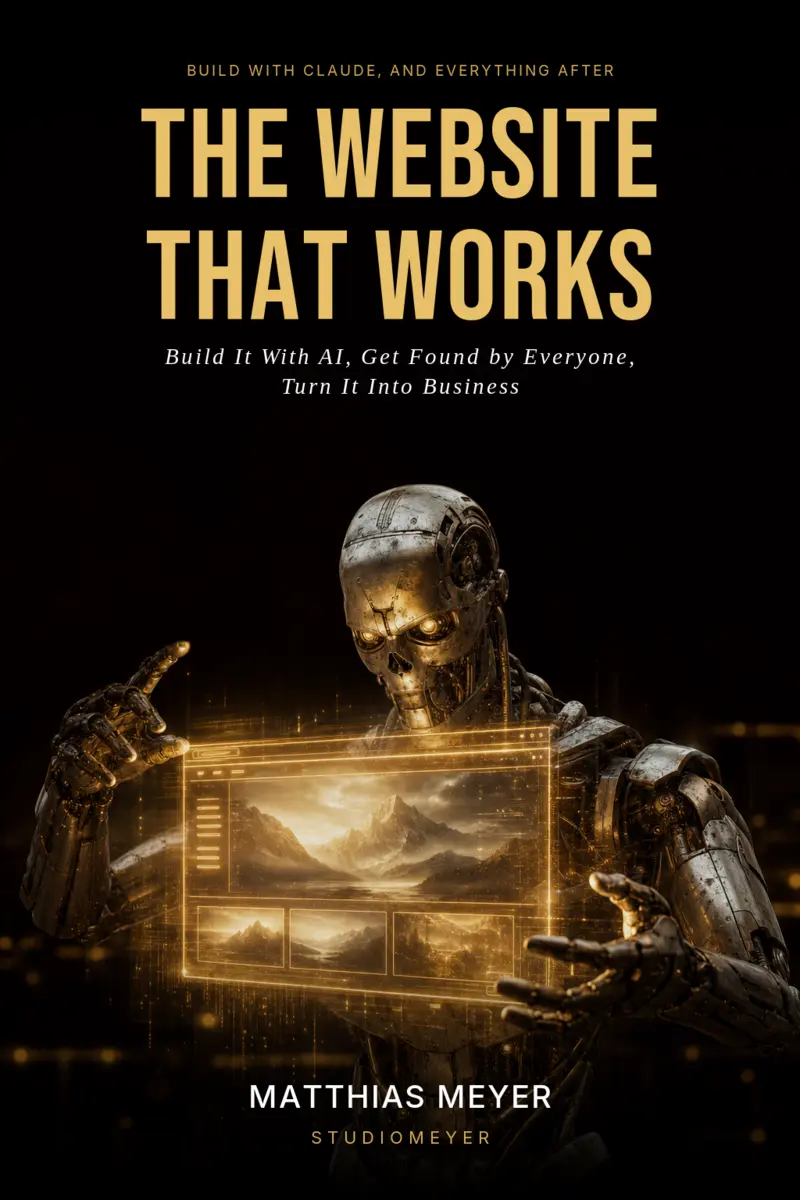
The Website That Works is the one that started this whole train of thought. Anyone can build a site in an afternoon now, so the site is no longer the achievement. The achievement is the part underneath: getting found, by people and by AI, and turning visitors into real enquiries and customers.
It walks the whole chain, build it properly with AI, get it online on a host that will not trap you, get found through search and through AI assistants, and turn the traffic into business. It is honest about what matters and what does not, including one technical choice that can quietly make a site invisible to AI. If you have a good-looking site that brings you no work, this book explains why and what to do about it.
Make Sure AI Recommends You, Not a Competitor#
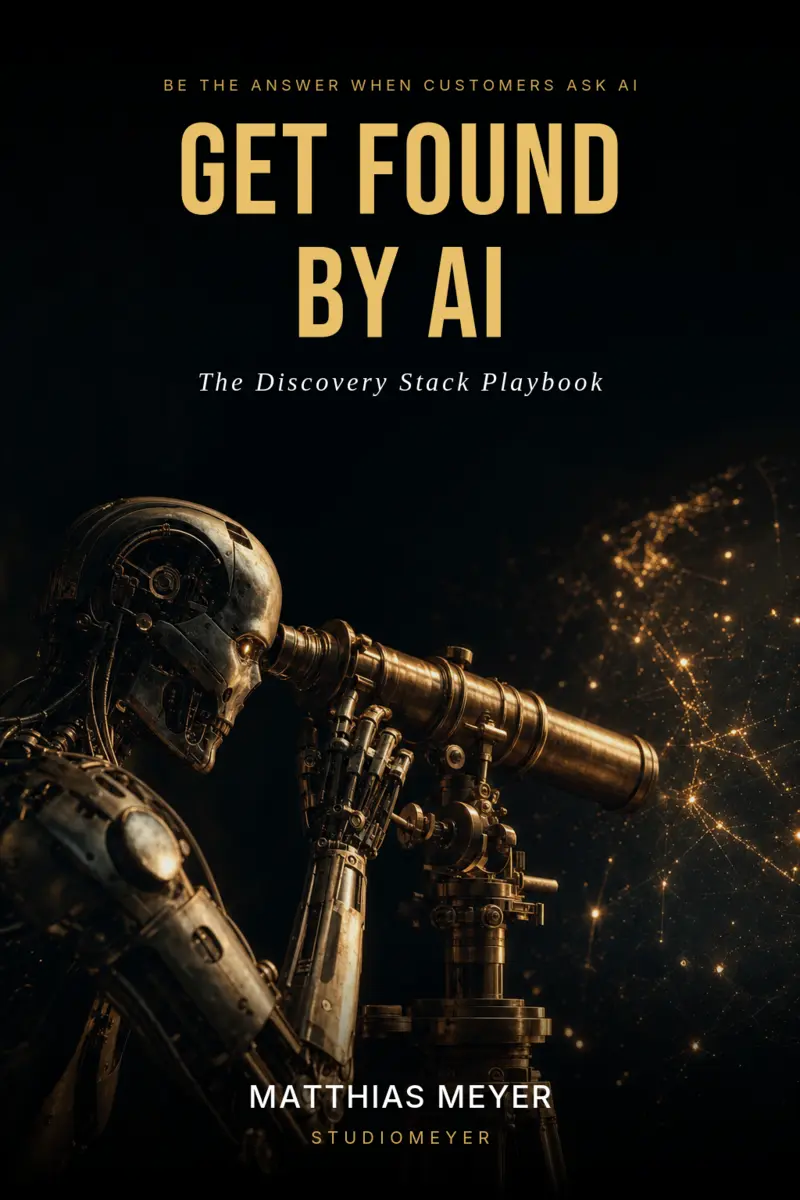
Your customers are starting to ask ChatGPT, Gemini and Copilot for recommendations instead of scrolling a page of blue links. When they do, you are either in the answer or you do not exist, and there is no page two in a chat. Get Found by AI is the playbook for being the business those assistants name and cite.
I can show you it works with a number that is honestly mine. Our own studio site went from being cited essentially zero times by Bing Copilot in the spring to more than fourteen thousand AI citations in a single thirty-day window by July. That is our own figure, read off one dashboard, and I will always say plainly when a number is ours rather than an independent study. This book is the same discovery stack we build into client sites, written so an owner can follow it without a developer. Being findable by people was always work. Being findable by AI is the new edge, and almost nobody is doing it well yet.
What These Books Will Not Do#
They will not turn you into a developer, and they do not try to. They will not promise that a book boosts your Google ranking, because that is not how any of this works, and anyone who tells you otherwise is selling something. They will not pretend AI is either a miracle or the end of the world, because it is neither. It is a very capable tool that most people are handed with no instructions and a lot of noise.
There is even a part of the website book about when you should not do this yourself and should just hire it out, because sometimes that is the honest answer. A book that never admits that cannot be trusted on anything else. If you want the short version of my bias: learn enough to make good decisions, do the parts that are genuinely yours, and pay someone for the rest without feeling bad about it.
Where to Start#
If all of this is new, read them in the order above and you climb a ladder: understand, use, master the tool, build a system, ship the website, get found. If you already have a site and you just want it working, start with the last two, because that is where the money hides.
All six are on Amazon now, in paperback and eBook. I kept them short on purpose. The point was never to write the longest book about AI. It was to write the ones you would actually finish, and then use.